
The Role of Luck and Chance in Gambling
The allure of casino games often stems from the intrinsic unpredictability of luck and chance. Players frequently believe that their fortunes can turn with a single spin of a wheel or a roll of dice. This belief can activate powerful psychological mechanisms, prompting individuals to engage in gambling behavior driven more by optimism than by rationality. Understanding that many outcomes are outside of their control can lead some players to pursue strategies that may not yield any real advantage. For those looking to enhance their experience, exploring online casinos can provide new opportunities to play and experience the thrill of gambling.
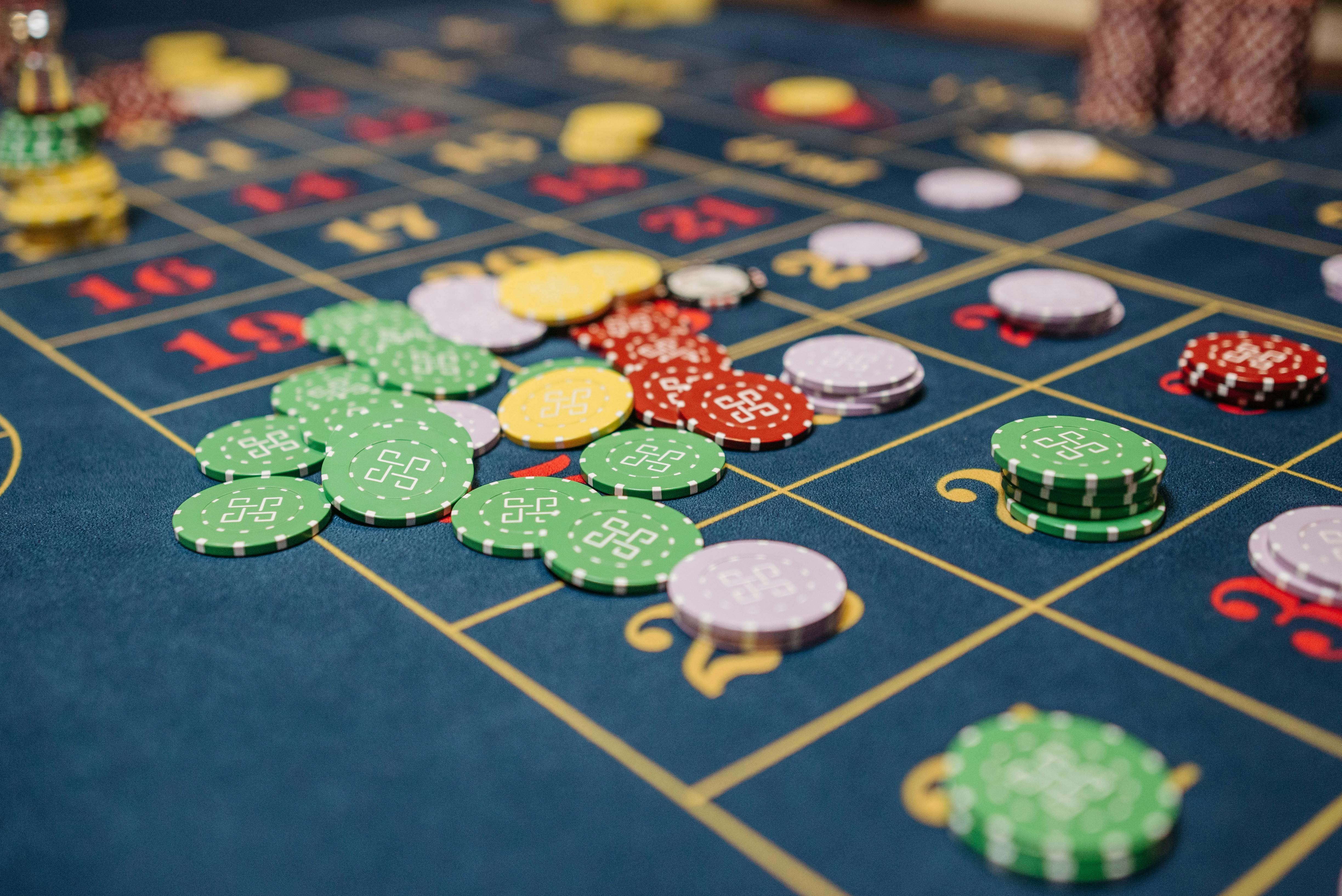
This psychological association with luck can create a compelling narrative where players justify losses as inevitable due to bad luck or attribute wins to personal skill. This duality can reinforce their engagement with gambling, as the potential for winning becomes a driving force behind their continued participation in casino games.
The Influence of Cognitive Biases on Gambling Behavior
Cognitive biases significantly contribute to how players perceive their chances of winning at casino games. One common bias is the “gambler’s fallacy,” which leads players to believe that past outcomes influence future results. For instance, someone might think that after a series of losses, a win is due soon, even though each game round is independent of the last. This fallacy can lead to increased risk-taking and poor financial decisions.
Another cognitive bias that impacts gambling behavior is the illusion of control. Many players feel that they can influence the outcome of games, especially in skill-based games like poker or blackjack. This illusion can lead to overconfidence, resulting in extended gambling sessions and escalating bets, as players mistakenly believe their skills will lead to consistent wins.
The Emotional Highs and Lows of Winning and Losing
The emotional landscape of gambling is complex, marked by intense highs and lows. Winning at a casino game triggers the brain’s reward system, releasing dopamine and creating feelings of excitement and euphoria. This sensation can be highly addictive, reinforcing gambling behavior as players chase the next high. The thrill of a win can overshadow the risks involved, leading individuals to gamble more frequently and with higher stakes.
Conversely, experiencing losses can result in emotional distress, often prompting individuals to chase their losses in an attempt to regain their previous standing. This cycle can create a negative feedback loop where emotional responses drive irrational decision-making, ultimately exacerbating financial difficulties and addiction risks.
The Social Aspects of Gambling
Cultural and social influences significantly dictate how individuals engage with gambling. Casinos are often viewed as social hubs, where people gather to enjoy the shared experience of gaming. This communal atmosphere can foster a sense of belonging, motivating players to participate in gambling activities even if they are aware of the associated risks. The social validation from peers can also increase the likelihood of risk-taking behaviors.
Moreover, the development of online gaming communities has expanded this social aspect, allowing players to engage with others globally. The social reinforcement from online platforms can further enhance gambling behaviors, as players share their experiences and strategies, often diminishing the perceived risks associated with gambling.

Valuable Resources for Responsible Gambling
Understanding the psychological mechanisms behind gambling can empower players to make informed choices and gamble responsibly. Organizations dedicated to responsible gambling provide essential resources, including strategies for managing gambling behavior and recognizing signs of problem gambling. These resources can help individuals balance their gaming activities while minimizing financial and emotional risks.
Additionally, the importance of setting limits cannot be overstated. Establishing personal boundaries and adhering to them is crucial for maintaining a healthy relationship with gambling. Websites that offer support and education on this subject serve as valuable tools for players seeking to enjoy casino games without succumbing to the potential pitfalls of gambling addiction.